

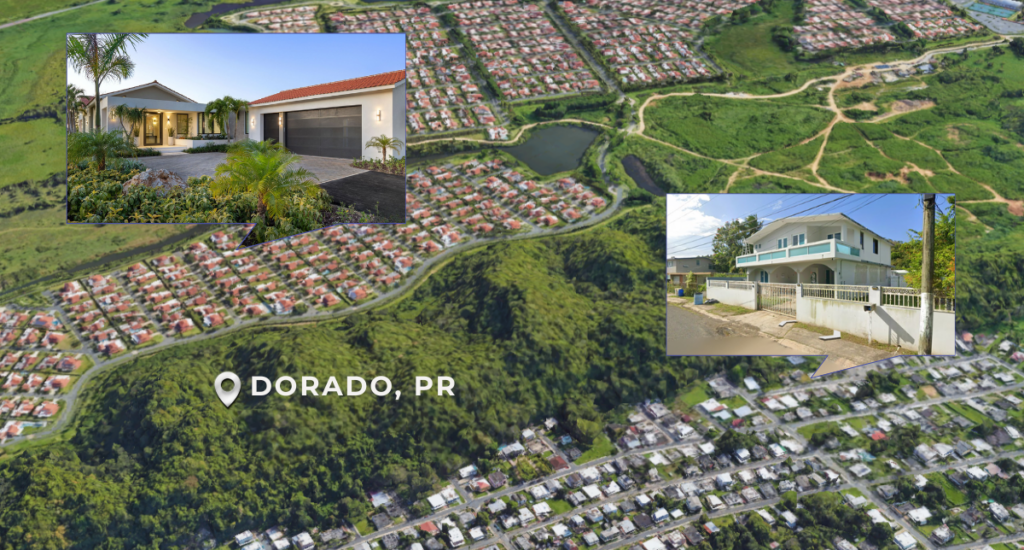
The problem is not the price of housing: it is the wrong economic indicators

In Puerto Rico, a simplistic narrative has been installed: that the main problem of housing is that houses are too expensive. Under this logic, controls, restrictions or blaming the market are proposed. However, such a reading ignores the root of the problem and risks deepening the crisis rather than solving it.
The problem is not housing.
The problem is how we are measuring the country.
The underlying error: using the income as the only yardstick
Family income is an essential indicator. No one disputes it. It is the basis of the daily stability of any home.
But the structural mistake has been to turn that income into the only metric to evaluate an economy that no longer responds to that design.
According to the U.S. Census Bureau, the median household income in Puerto Rico is around $25,000 per year, while in the United States it exceeds $75,000, measured by the same institution and with the same statistical methodology. The difference — nearly three to one — is no accident.
That income was designed for a dependent economic model, with low added value, designed for a cheap, continental economy with structural costs very different from those of Puerto Rico.
But Puerto Rico is no longer that country.
Puerto Rico is expensive by structure… and by cumulative decisions
Puerto Rico is expensive for clear structural reasons: insular geography, dependence on imports, Jones Act, high energy costs, and a highly regulated economy.
But it’s also expensive because, for decades, it was allowed:
- a chronic dependence on federal funds,• an inefficient public administration,• a state that makes it more expensive to operate,• and the systematic postponement of profound reforms.
IVU, CRIM, patents, permits, insurance and energy raise the cost of producing and living. This reality is not reflected in the average income.
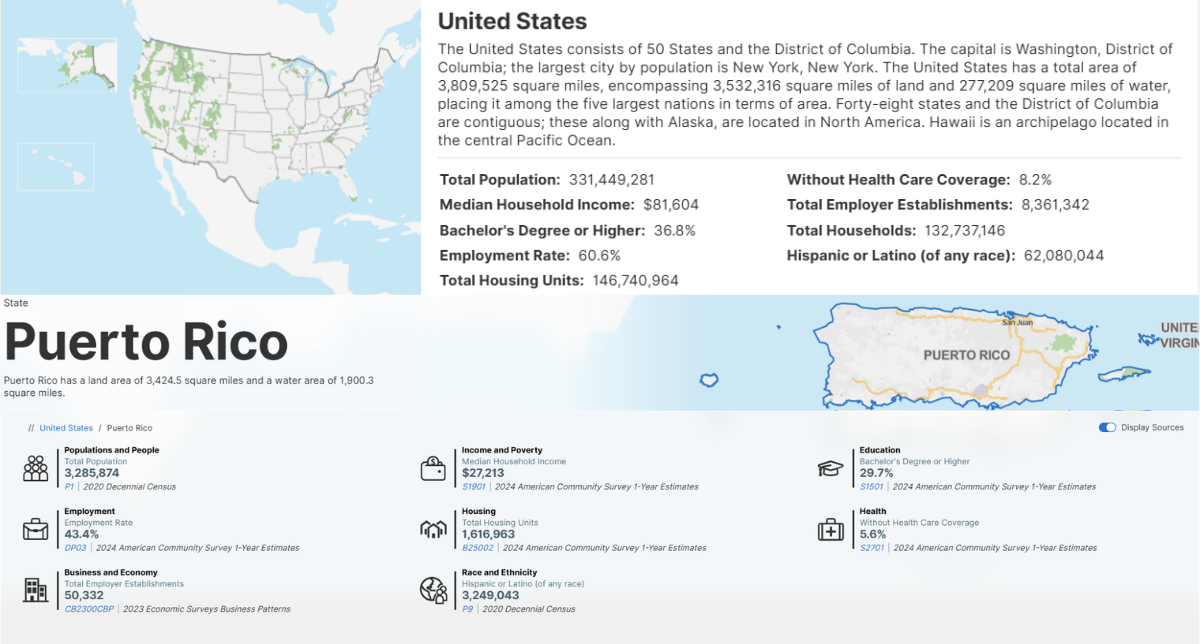
The Real Distortion: House Price vs. Income
Using the same market source (Realtor.com), the median home sales price in Puerto Rico is around $290,000, while the national median price in the United States is around $395,000.
At first glance, the difference does not seem dramatic.
But when compared to income:
- In the United States, housing costs about 5 times the annual household income.• In Puerto Rico, it exceeds 11 times the annual income.
Here’s the key:
The house is not inflated. The income is misaligned.
Housing as patrimony: a variable that cannot be ignored
There is an essential element that cannot be lost in this debate: housing is the greatest asset of Puerto Rican families.
For most Puerto Ricans, the house is not a speculative expense, nor an abstract financial asset.
It is their main store of value, their stability, their legacy and, in many cases, the only wealth accumulated over a lifetime of work.
Therefore, when it is stated that the housing problem is simply “the price”, there is a serious risk: confusing social protection with asset erosion.
Reducing the value of housing – or designing public policies that ignore its patrimonial role – does not strengthen families; it weakens them. It directly affects the economic balance of the household, limits its social mobility and reduces the country’s wealth base.
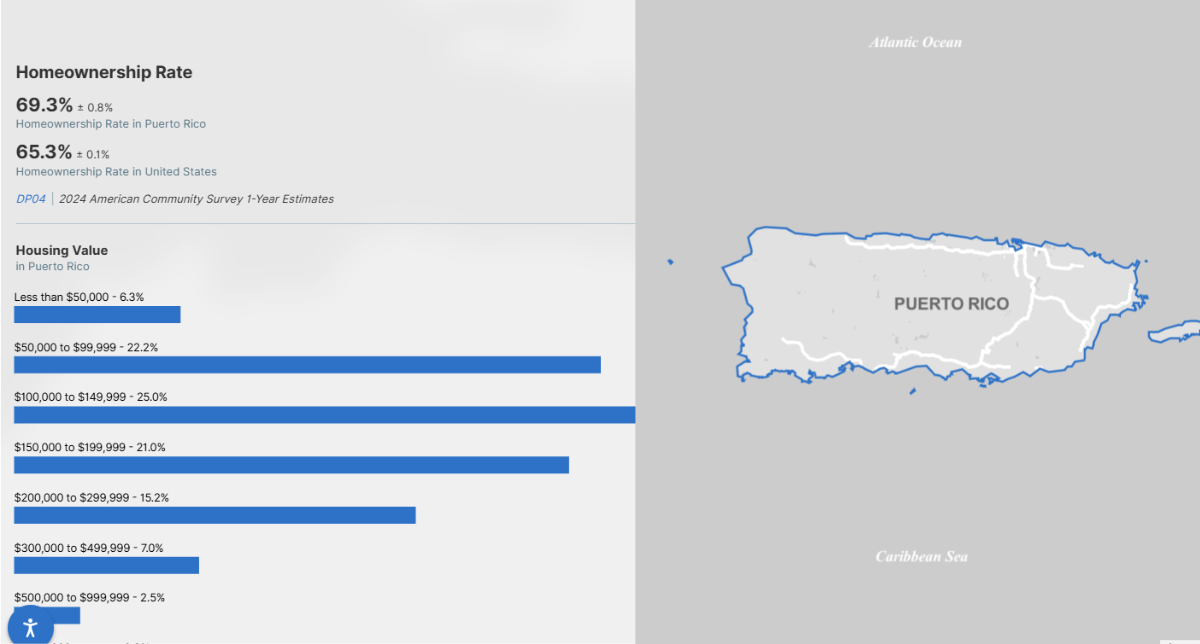
Puerto Rico has one of the highest percentages of homeowners within U.S. jurisdiction. That is not a weakness of the system; it is one of its greatest strengths.
Therefore, the right debate is not how to contain the value of houses, but how to ensure that the income of families is at the height of the patrimony they already own and the country we are building.
Housing is not the problem. Housing is part of the solution.
Behavior, perception and social frustration
Behavioral economics has shown that people do not evaluate their well-being in absolute terms, but in relative terms. Daniel Kahneman and Amos Tversky explained how the perception of inequality arises when effort is unrelated to reward.
In Puerto Rico, people don’t feel that housing is expensive because of luxury, but because the relationship between income and cost of living has broken down. That rupture generates frustration, resentment and polarization.
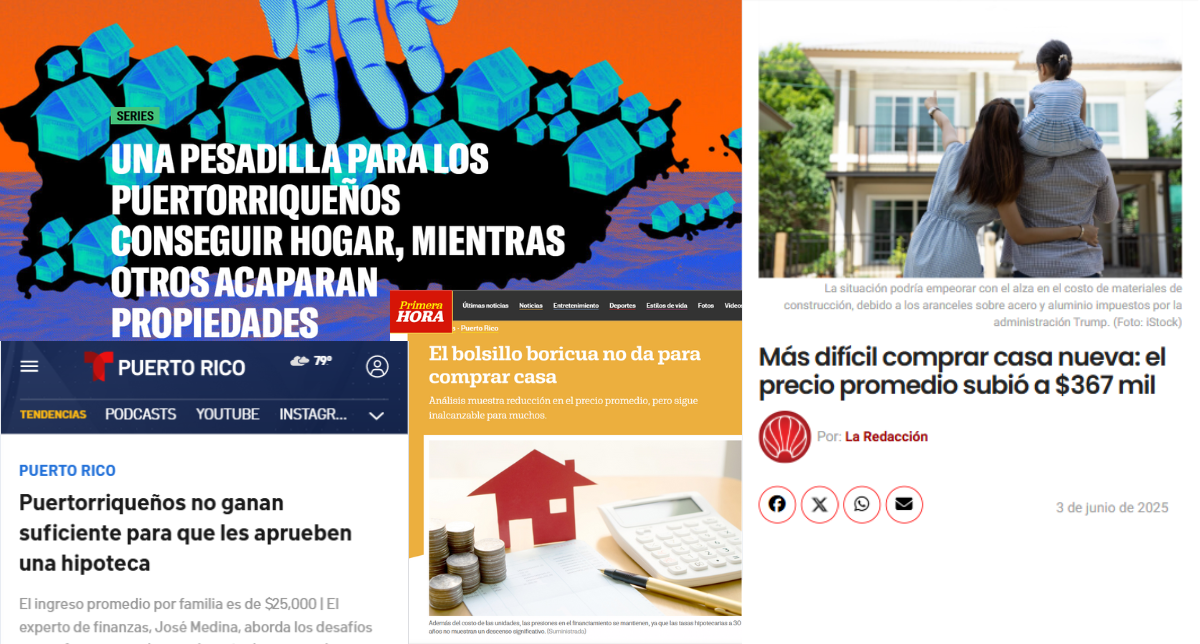
Misplaced incentives: confusing results with wealth creation
Puerto Rico is not lacking in incentives. It lacks well-placed incentives.
At the time, incentives were proposed aimed at the comprehensive urban rehabilitation of urban centers, simultaneously serving main housing, affordable housing, rent, the elderly, local commerce, services, public space and cultural identity. This type of policy generates a real multiplier effect: employment, income, economic activity and territorial stability.
Not understanding this effect, the incentives were transferred to the final buyer, treating the symptom and not the cause.
This example is not intended to turn the discussion into a debate about urban rehabilitation. It is mentioned only to illustrate a broader principle: incentives should be placed where structural wealth is created and incomes are raised, not where the end result is simply manifested.
Territories attractive to human and financial capital: mobility and the domino effect
This phenomenon has occurred in Florida, Aspen, certain Caribbean islands, Costa Rica or Panama. When a territory becomes desirable for people whose income does not depend on the local salary, the market changes: prices rise, professional fees are redefined and the impact expands territorially.
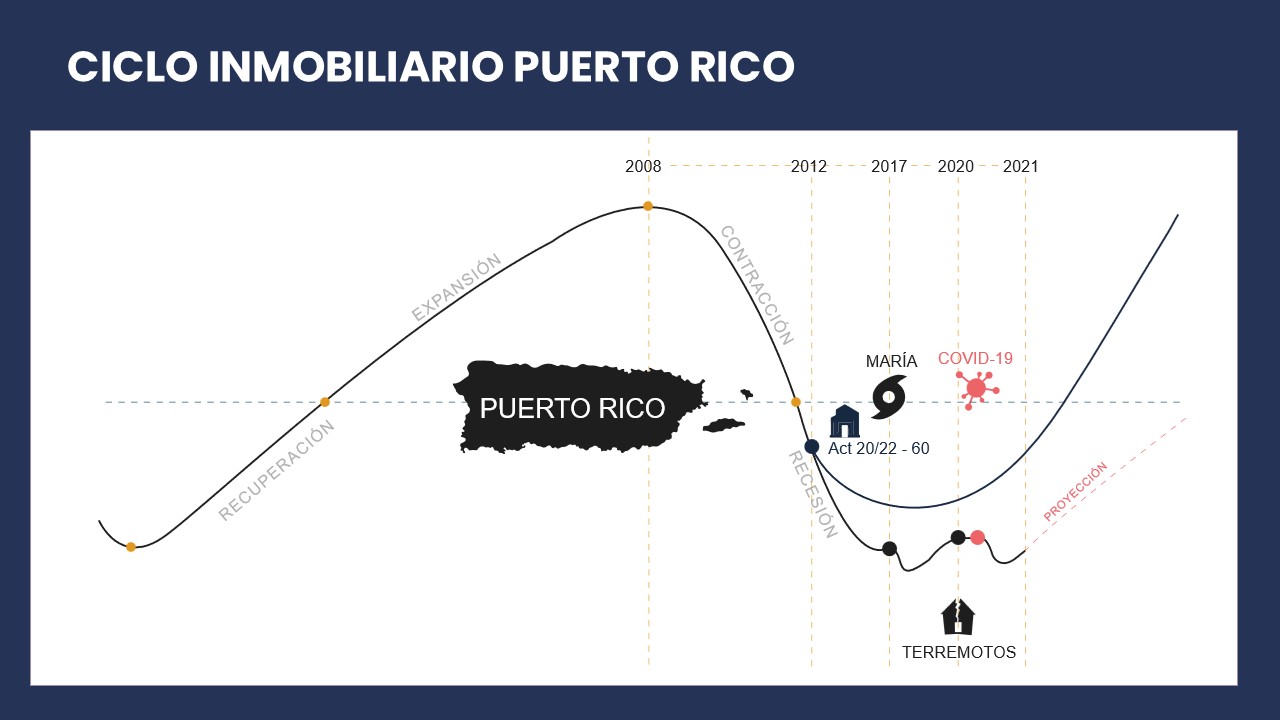
In Puerto Rico, the trigger has been Law 60.
Act 60 accelerated mobile capital inflows and redefined the demand profile. This process is not evenly distributed: it begins in certain municipalities and then activates internal territorial mobility. Prices rise in initial areas, part of the population moves to adjacent municipalities and the pressure of demand is redistributed, until it is felt at the island level.
Puerto Rico is not a collection of isolated markets. It is a single interconnected territory.
COVID as a catalyst
COVID did not create this transformation; he unveiled it and accelerated it.
Months after COVID, in a seminar held together with professionals from different disciplines, it was already anticipated that Puerto Rico would enter a strong fluctuation that would not be temporary, but a driving force capable of becoming a trend. Today that prediction is confirmed.
The real risk: polarization
If this process continues without addressing the root of the problem – income – the result will not be development, but increasing economic and social polarization.
It is not corrected by attacking the price of housing. It is corrected by raising the economic capacity of the people.
In conclusion: The problem is not the price of housing.
The problem is to continue measuring a new country with wrong economic indicators.
Puerto Rico is going to become more expensive. The real question is whether we are going to rise with the country, or whether we will continue to be trapped in a wage model that no longer reflects our territorial, economic and human reality.



Respuestas