
When public power becomes private advantage: Ethics, privileged information and the duty of the public official

There is an invisible line that sustains all functional democracy: trust.
It does not break only when there are crimes.
It is eroded when public power seems to serve itself before serving the country.
When a person decides to be a public official, he not only gains authority, he accepts limits. Not for punishment, but for fiduciary responsibility to the people he represents.
The problem is not investing or entrepreneurship.
The problem is to do it in a property, a business or a transaction with prior information not available to the common citizen, obtained by reason of public office.
In publicly traded companies, this has a clear name: insider trading.
Using non-public information for one’s own benefit—directly or indirectly—is a serious offense, and even a crime in many jurisdictions.
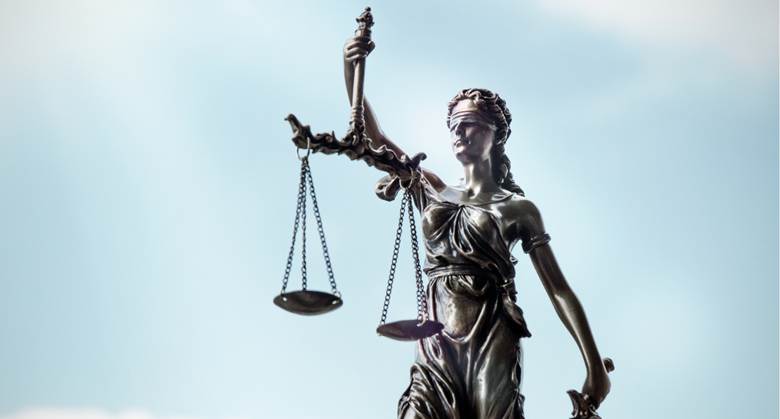
In the public sector, where the protected good is not an investor but the collective interest, the standard cannot be lower.
A mayor, legislator or official with decision-making power knows – before the people – development plans, expropriations, rezoning and infrastructure investments.
Moreover, it actively participates in deciding them.
That is why not everyone competes from the same point.
A teacher, a firefighter, a police officer or any public servant without decision-making power does not have access to that information or the ability to alter the value of an asset.
They compete on equal terms.
Whoever assumes a position with decision-making power chooses to serve from the public sphere, not from private economic competition.
If their main vocation is to invest and develop businesses, there are other legitimate spaces to do so, outside the exercise of public power.
That distinction does not limit progress.
It protects fair competition, private entrepreneurs and ordinary citizens.
Mature democracies not only evaluate the direct benefit of the official, but also the indirect benefit, including close relatives, relationships by blood or affinity, corporations or interposed third parties.

Information obtained by reason of public office must be used exclusively for the common good.
That is the oath.
The biggest problem is not an isolated transaction.
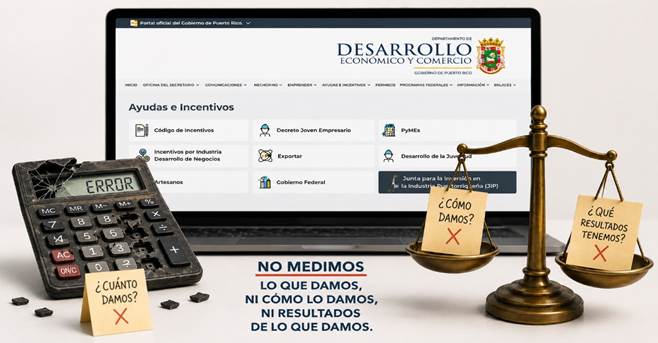
It is when the State ceases to be an arbitrator and becomes a player.
That is not development.
It is a sloping terrain.
This is not an anti-investment or anti-market message.
It is a call for clear rules, fair competition and public trust.
Because when public power becomes private advantage, what is eroded is not only ethics,
It’s Puerto Rico.




Respuestas