

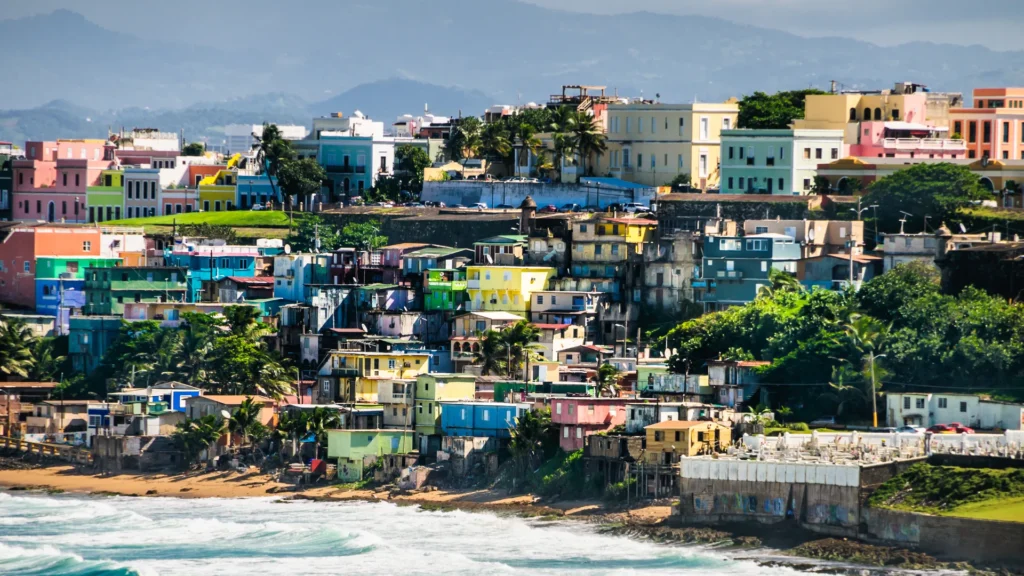
Beyond Manufacturing: Puerto Rico’s True Economic Potential

For decades, the economic debate in Puerto Rico has revolved around the same axis: manufacturing.
And no wonder.
Puerto Rico became one of the most important pharmaceutical centers in the world, and today manufacturing represents about 44% of the island’s Gross Domestic Product, one of the highest proportions globally.
However, in recent years a concept that deserves attention has emerged strongly in the economic literature:
Place-Based Development.
Or, in Spanish, territory-based economic development.
The idea is simple, but powerful:
Economies can also grow when they succeed in converting their unique characteristics—history, culture, identity, and territory—into economic value.
Although the term is relatively recent, the phenomenon has always existed.
Something similar happens with many social concepts.
Sexual harassment existed long before society began to study it systematically. The concept of gaslighting describes psychological dynamics that have occurred for generations.
The phenomenon was always there.
What changed was the language that allowed it to be analyzed.
The same is true of territory-based development.
Cities have always thrived around their cultural identity, geography, or history; The economy simply began to formalize this phenomenon much later.
The evolution of the concept
The first bases appeared in the regional economy in the middle of the twentieth century.
Economists such as Walter Isard began to study how geography influences economic activity.
Subsequently, the economist Albert Hirschman developed the theory of economic chains, explaining how a productive activity can generate multiple multiplier effects within a territory.
In the 1990s, Michael Porter, a professor at Harvard, introduced the concept of economic clusters, demonstrating how the geographical concentration of talent, companies and institutions can generate competitive advantages.
Later, the economist Paul Krugman, Nobel Prize in Economics in 2008, consolidated these ideas through the so-called New Economic Geography, demonstrating that the concentration of economic activity in certain cities or regions responds to deep economic forces.
The term Place-Based Development was finally institutionalized in 2009 with the so-called Barca Report for the European Union, which proposed that regional development strategies should be built on the unique characteristics of each territory.
In other words:
There is no universal formula for economic development.
Each territory must build its strategy based on what makes it unique.
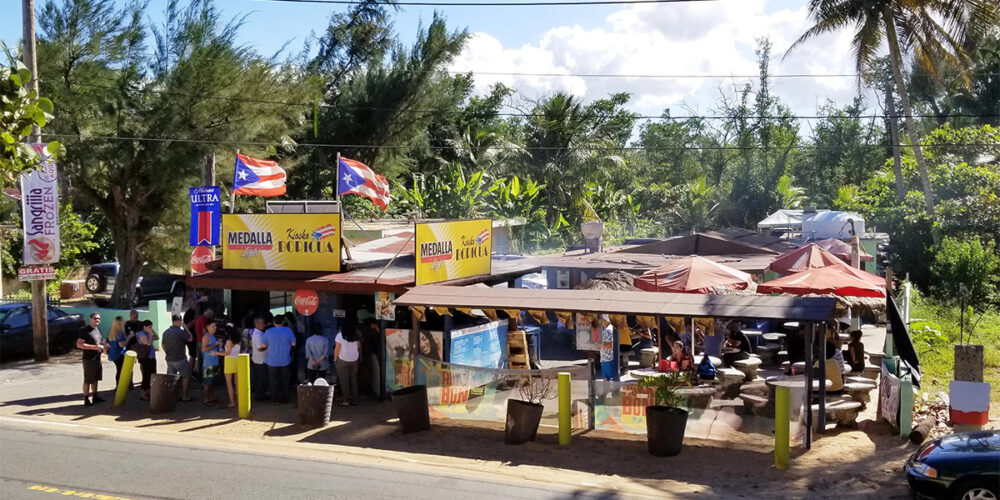
When identity becomes economy
Throughout the world there are territories that have managed to transform their identity into an economic engine.
Small historic towns have turned their cultural heritage into international destinations. Territories without significant natural resources have developed hospitality and entertainment industries capable of attracting millions of visitors.
Even communities that for decades faced deep economic constraints managed to transform their destiny when they understood the strategic value of their identity.
In all these cases, something fundamental happens:
The identity of the territory ceases to be only a cultural element.
It becomes an economic advantage.

The economic debate in Puerto Rico
For decades, Puerto Rico’s economy has relied heavily on manufacturing.
It is not a minor fact.
Manufacturing accounts for about 44% of the island’s Gross Domestic Product, driven mainly by the pharmaceutical and medical device industry.
But Puerto Rican economists have warned for years that over-reliance on a single sector is not sustainable in the long term.
Economists such as José Joaquín Villamil, Sergio Marxuach and Juan Lara have repeatedly pointed out the need to diversify the country’s economy.
Among the sectors with the greatest potential are: tourism, global services, the creative economy.
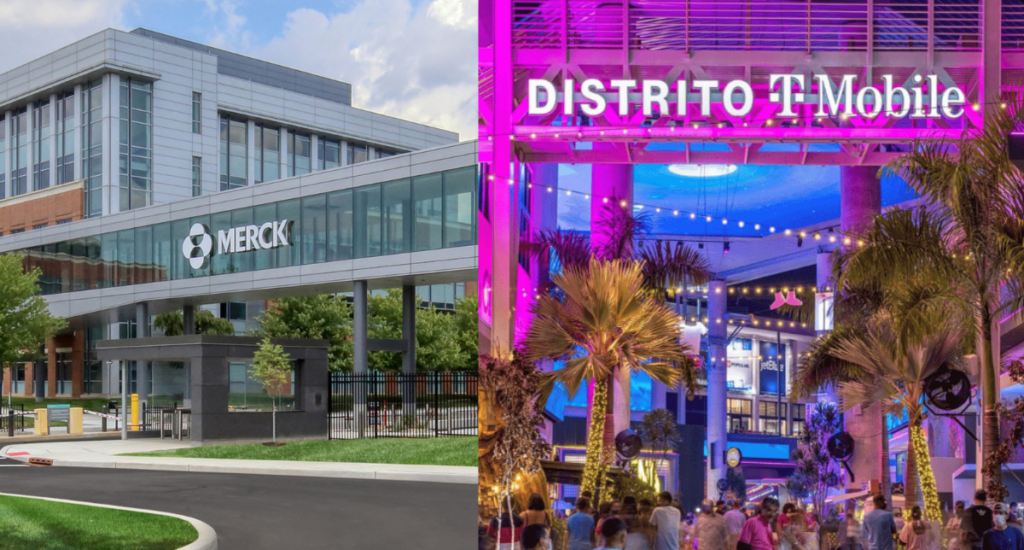
Manufacturing and tourism: two different engines
Manufacturing has obvious advantages:
Strong exports, productivity, high technological capacity.
However, it also has particular structural characteristics.
Much of the economic value of the pharmaceutical industry is generated by:
Intellectual property Research and development parent corporations outside the territory.
This means that a significant portion of the profits do not necessarily remain in the local economy.
In addition, many plants operate with high levels of automation, which limits their impact on employment.
Tourism works differently.
When a visitor arrives at a destination, their spending is spread across multiple sectors of the economy:
hotels, restaurants, transportation, entertainment, commerce, culture, real estate.
This spending generates what economists call an economic multiplier, but it also produces something even more important:
a wider distribution of income within the territory.
Money circulates among multiple local industries and is less repatriated to outside corporations.
This creates an economic ecosystem that includes:
small businesses, entrepreneurs, artists, local commerce, cultural industries.
In addition, tourism generates employment distributed in multiple market sectors, which strengthens local consumption and energizes other areas of the economy.
The behavioral component
Tourism also has a dimension that rarely appears in traditional economic models:
psychology.
People don’t travel just to consume goods.
They travel to experience places.
Travel decisions are influenced by:
- Culture
- History
- Gastronomy
- Narrative Identity of the Destination.
This makes tourism an economic activity deeply linked to human behavior.
The impact on the territory
Tourism also has an effect that goes beyond immediate income.
It directly impacts the value of the territory.
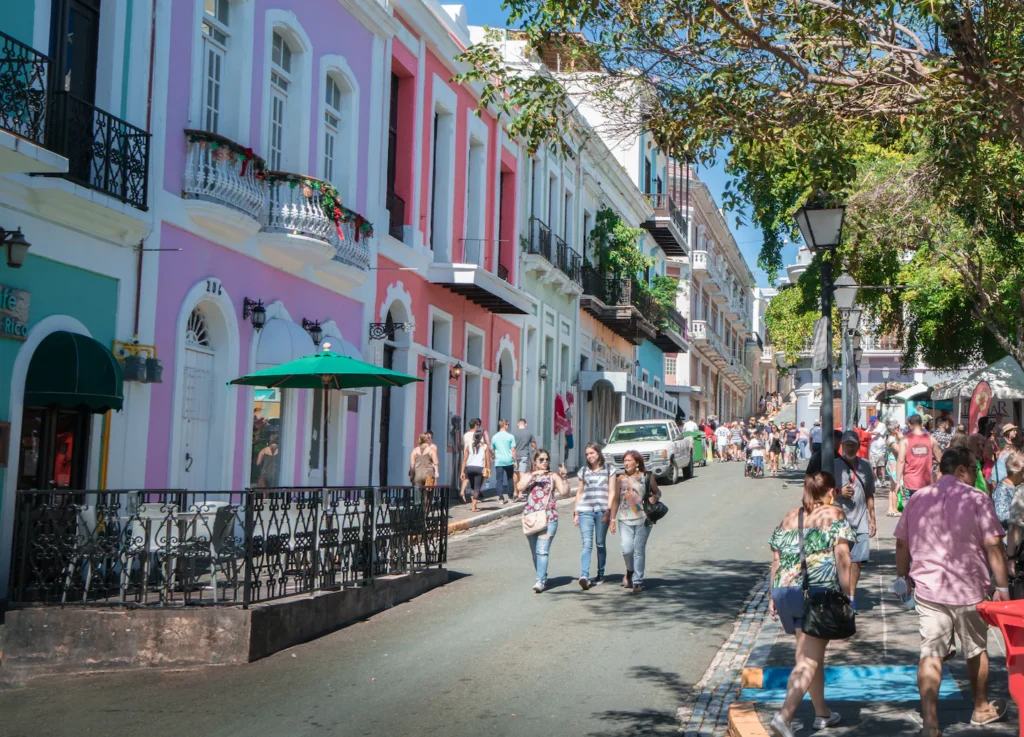
Historic centers, cultural districts, and urban spaces that manage to attract visitors often experience significant increases in their property values.
This happens because the collective perception of a place changes.
When a territory acquires cultural significance, its economic value is also transformed.
The psychosocial valorisation of the territory
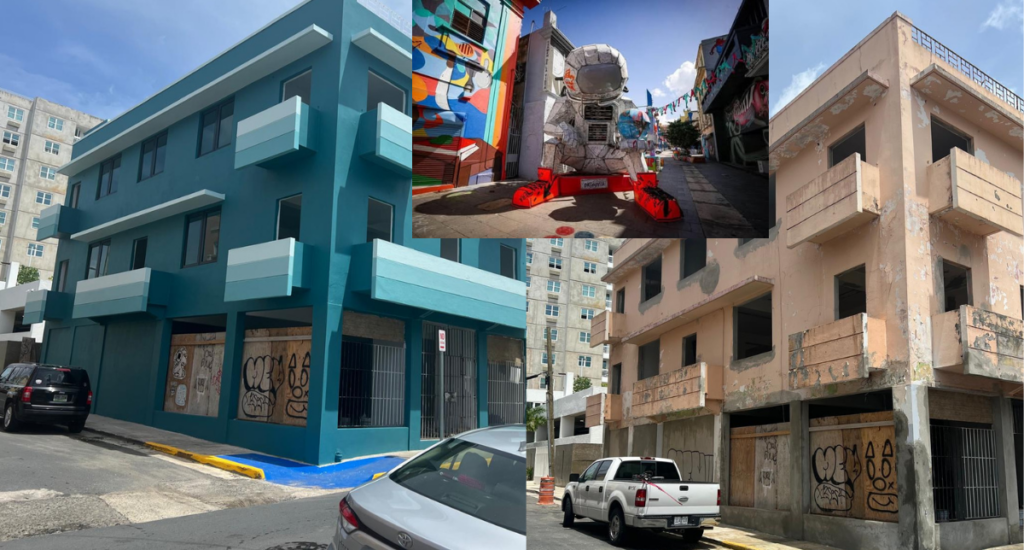
After more than three decades working in real estate, I’ve observed a phenomenon that rarely appears in traditional real estate valuation models.
Properties do not acquire value solely because of their location or size.
They also acquire it due to psychosocial factors:
the history of the place, cultural identity, collective perception, urban narrative.
When these elements align, real estate value can multiply.
This is what I call the psychosocial valuation of real estate assets.
A final reflection
For decades, economic development has been measured primarily in terms of production, investment, and industrial capacity.
But contemporary economics is beginning to recognize something that territories have intuitively known for centuries:
Places also have value.
Not only because of their infrastructure or their productivity, but because of what they represent.
The identity of a territory, its history, its culture and the way in which people perceive these elements can become real economic forces.
In an increasingly globalized economy, where many industries can move from one country to another, the territories that thrive are not necessarily those with the most resources, but those that best understand the value of what makes them unique.
Puerto Rico has a cultural identity that is deeply recognizable in the world.
Its cities, its music, its gastronomy and its history are part of a narrative that millions of people already recognize, even before they have visited the island.
Perhaps the country’s real economic opportunity is not only about attracting new industries.
Perhaps it also consists of learning to turn that identity into an economic strategy.
Because when a territory manages to transform its identity into value, something extraordinary happens:
culture is no longer just heritage. It becomes prosperity.


Respuestas