

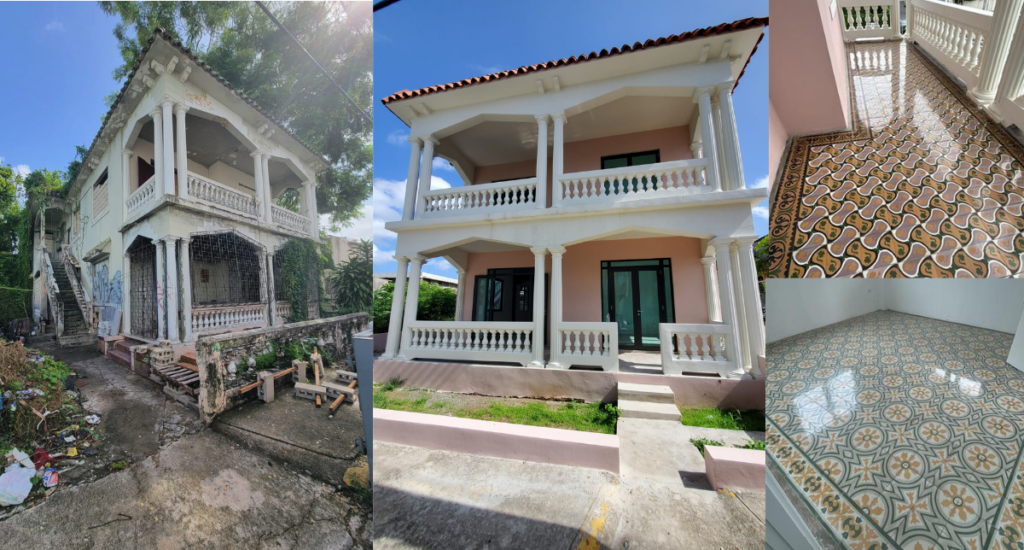
From Public Nuisance to Economic Engine: The Psychosocial Wealth Puerto Rico Cannot Afford to Lose

Puerto Rico already experienced one of the toughest real estate crises in its history, and I lived it from the inside. I was part of the largest disposition of commercial, industrial, and residential assets ever carried out on our island, working directly with banks and under FDIC regulation. I saw entire portfolios liquidated at 30 or 40 cents on the dollar. That solved balance sheets, but it cost us too much: we lost historical, cultural, and economic heritage that we will never recover. The mistake was clear: we looked at those properties only through appraisals and comparables, without considering the psychosocial impact.
Psychosocial Real Estate Analysis (PREA) is not an academic invention nor an untested theory: it has always existed in the way human beings assign value to things. A diamond is not valuable just because of its hardness, but because of what it represents. A Rolex or a Louis Vuitton are not purchased for utility, but for status and belonging. Bitcoin, though intangible, is sustained by narrative and collective trust. A Picasso or a Basquiat fetch hundreds of millions because they are cultural symbols.
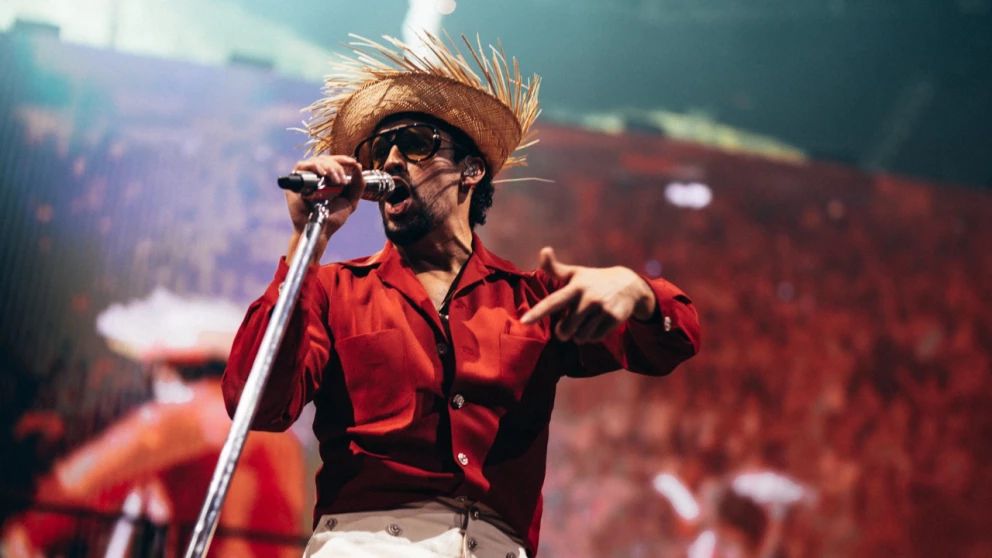
Here in Puerto Rico we see it in music. Bad Bunny managed to translate Puerto Rican identity into a global psychosocial attribute. It was not just the music; it was the narrative. As an ambassador of our flag on international stages, he turned a simple house into a cultural symbol, making an entire people feel represented and connecting our cultural identity to the world. That is the power of psychosocial attributes: the ability to connect collective emotions and transform them into cultural and economic value.
Unlike a luxury item or a digital asset, a property is tied to land; therefore, its psychosocial impact is deeper. The “highest and best use” of a property cannot be defined solely by traditional economic factors such as economic viability, legal permissibility, or physical buildability. It must also integrate the psychosocial dimension, because that component can turn it into true heritage.
During the banking crisis, when we worked on the disposition of repossessed assets under FDIC supervision, we created a classification methodology aimed at strategically distributing property portfolios and minimizing losses. Today, we return to that foundation, but now we enrich it with the psychosocial factor that was missing back then.
Having witnessed how, out of ignorance, we transferred more than a billion dollars in heritage into foreign hands, and understanding the urgency municipalities face in disposing of their public nuisances to generate revenue — and further recognizing that this is an innovative proposal — I want to share an initial methodology that can protect value and help us avoid repeating mistakes:
Preserve assets with psychosocial attributes that can become heritage. Activate them under long-term public-private partnerships, without losing public ownership, conditioning developers to deliver not only economic and social impact, but also hyperlocal missions with regional vision.
Rehabilitate viable assets with moderate investment. Through PPPs with agreed returns, bring them into financeable condition and convert them into affordable housing or other projects with social impact.
Dispose of non-heritage assets, the “shells.” Do this transparently through public auctions open to all Puerto Rico, but giving initial priority to the local community.
This classification does not replace in-depth study, but it provides a first action framework while Psychosocial Real Estate Analysis is fully integrated as a development strategy.
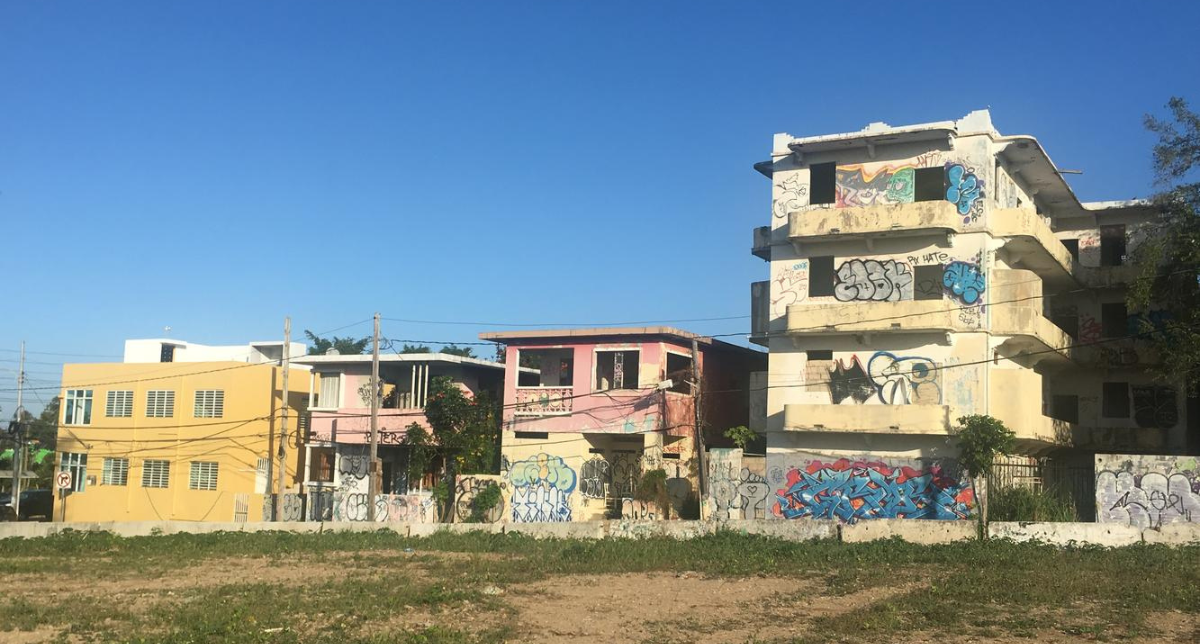
I say this with humility, but also with authority: after more than 30 years of practice, more than 10,000 real estate transactions, and more than 3,000 properties purchased and rehabilitated, I can affirm this knowledge is not theory—it is lived experience. When experience is not recognized because it does not fit traditional molds, we fall into what philosopher Miranda Fricker calls “epistemic injustice.” This is the moment to break those molds and apply what we know—from practice and from theory—to transform Puerto Rico.
Psychosocial Real Estate Analysis does not impact only brokers or appraisers. It encompasses tourism, culture, planning, banking, investment, and community development. That is why this is a call to the Government of Puerto Rico, mayors, investment funds, banks, entrepreneurs, advertising agencies, DMOs, tourism and hospitality leaders, architects, brokers, and urban planners.
I invite you to join me at the conference I will be offering this coming October 3 as part of the Rise & Innovate Realtors Expo and Convention at the Embassy Suites in Isla Verde. This seminar is not just another conference: it is the opportunity to begin speaking the same language—the language of psychosocial value—and to plan together for a different future for Puerto Rico.
Respuestas