

Symbolic Colonization in the Heart of Puerto Rico

The Historical Error That Could Redefine the Future of Old San Juan
Puerto Rico needs investment, needs jobs, and needs sustainable economic growth. That is not in dispute. What demands reflection is the place where we choose to insert that investment when the territory is not just any space, but the foundational nucleus of the country.
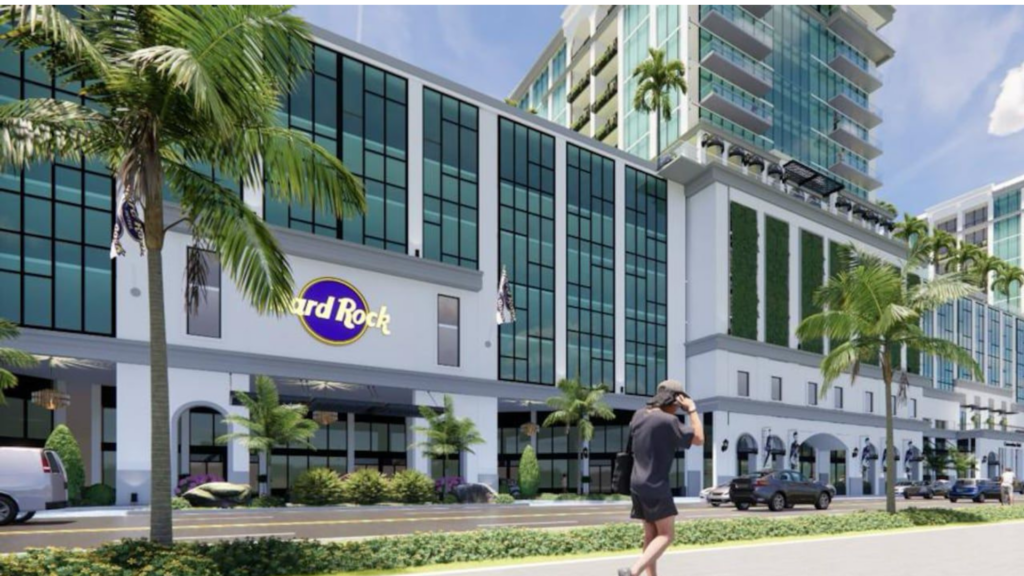
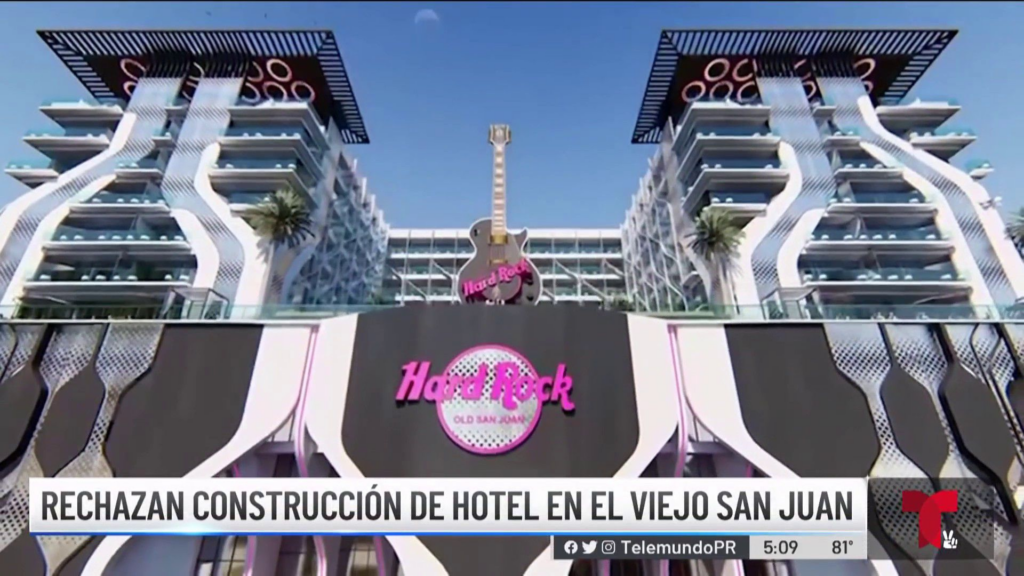
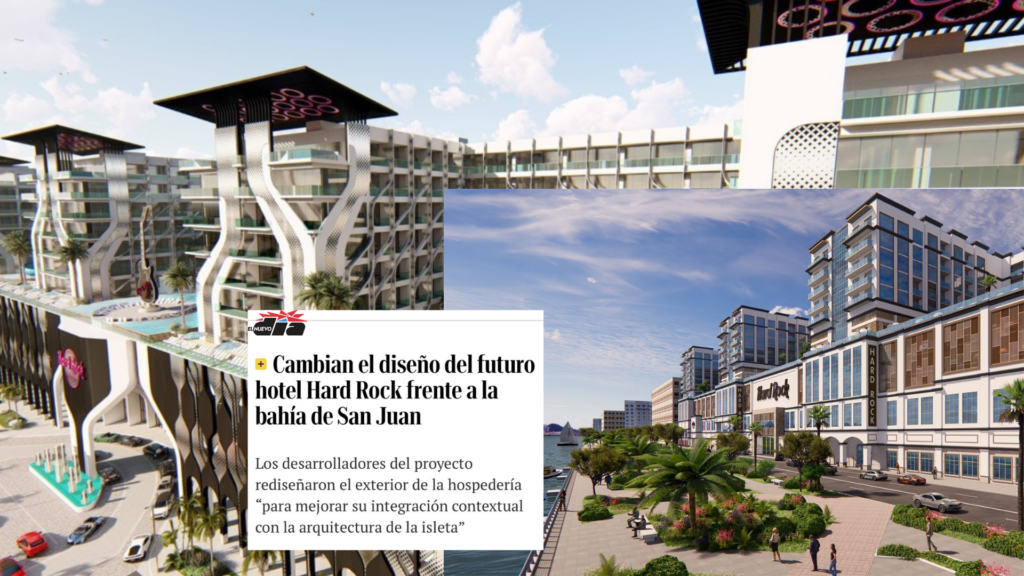
The Hard Rock Hotel & Casino San Juan project is presented as a significant economic injection. There is talk of culture, music, artistic identity, and employment, and it is possible that the project, in itself, has merits. However, the discussion is not about opposing development or private investment, but about asking ourselves with historical responsibility whether this is the right place for an intervention of this scale.
The Islet: a historic system, not a sum of sectors
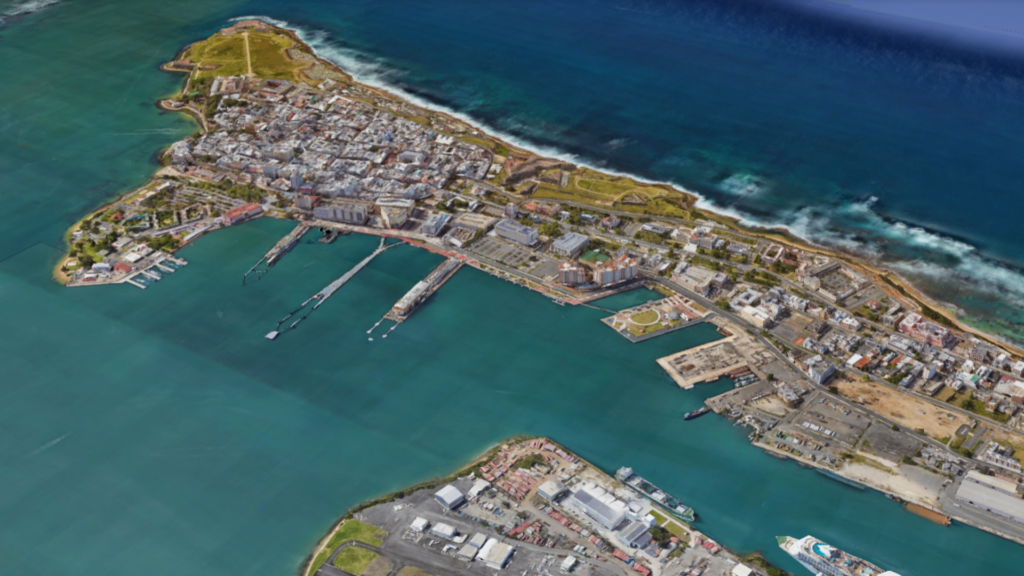
San Juan was founded in 1521 and conceived as a fortified city whose urban logic was never limited exclusively to the walled city visible today. Colonial cartography demonstrates that the entire Islet was conceived as a strategic unit; Fortín San Gerónimo del Boquerón marked the eastern edge of the defensive perimeter, confirming that the historic city neither began nor ended at a wall.
Puerta de Tierra, therefore, was not a separate territory added over time, but the natural extramural expansion of the foundational city. Although it is technically argued that the project is not located within the walled city, it still forms part of the same historic system of the Islet. From the sea, from the bridges, and from the visitor’s experience, what is perceived is a single city. The visitor does not distinguish administrative boundaries; they distinguish harmony or rupture, and in a historic city, visual and symbolic coherence constitutes the primary asset.
Heritage Recognition and Future Opportunities
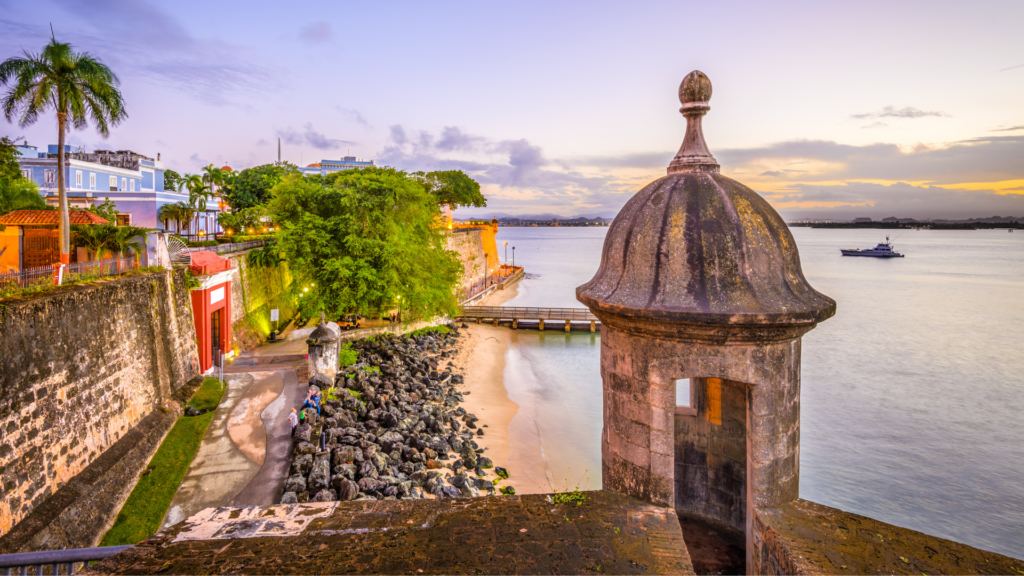
Currently, UNESCO designation specifically covers the ensemble inscribed as La Fortaleza and the San Juan National Historic Site, that is, the system of fortifications and the walled city. Puerta de Tierra is not formally part of that delimitation.
Nevertheless, in heritage cities around the world, it is common for boundary extensions or buffer zones to exist when historical continuity and urban coherence are demonstrated. A large-scale intervention outside the current perimeter does not automatically imply the loss of the existing designation, but it can influence future expansions, heritage aspirations, or evaluations of the visual integrity of the historic ensemble. In that sense, today’s urban decisions condition tomorrow’s cultural opportunities.
It is not opposition to the project. It is precision about the place
A large-scale project can bring economic dynamism; that is undeniable. However, Puerto Rico has already designed a district to absorb that type of intensity: the Convention Center District. There operate hotels such as the Sheraton Puerto Rico Hotel & Casino, the Hyatt House San Juan, and the Aloft San Juan, and there are consolidated corridors in Condado and Isla Verde/Carolina with modern infrastructure prepared for this type of scale.
In those areas, a project like Hard Rock would generate new traffic and strengthen zones that need greater dynamism. In the historic Islet, by contrast, the project rests upon the strongest tourism engine in the country. It does not necessarily create a new center of activity, but rather intervenes in one that is already consolidated, modifying its balance.
What Spain Has Understood
Spain, being a country of enormous tourist and heritage weight, hosts Hard Rock hotels; however, none are located within the medieval historic centers of cities such as Toledo, Segovia, Granada, or Ronda, nor in their immediate surroundings. International brands are inserted in modern zones, coastal areas, or urban expansion districts.
That is not a coincidence, but planning. Spain does not prohibit investment; it protects the historic heart because it understands that its main competitive advantage resides there. It allows capital, but preserves the coherence of its urban centers. The logic is not ideological, but strategic: heritage is not an obstacle to development; it is the foundation that makes it sustainable.
Culture Is Not Scenography
In the public narrative of the project, the word “culture” is repeatedly used. There is talk of musical inspiration and Puerto Rican identity, but drawing inspiration from culture is not the same as protecting the environment that produced it. Ricardo Alegría expressed it with historical clarity when he stated that “a people who lose their historical memory lose their identity.”
Identity is not preserved by placing cultural references inside a modern building; it is preserved by protecting the urban fabric that allowed that culture to exist for centuries. Culture is not decoration; it is context.

The Behavioral Dimension
Behavioral psychologist Humberto Cruz Esparra has pointed out that these decisions do not occur in a vacuum, but within cognitive frameworks deeply influenced by the shared history of a people. Quoting Frantz Fanon in Black Skin, White Masks (1952), he recalled that “the colonized always positions himself in relation to the colonizer,” evidencing how domination can be installed in the psyche before it is installed in the territory.
From behavioral economics we know that perception determines value: singularity increases willingness to pay, while standardization reduces it. Old San Juan generates hundreds of millions annually because it is irreplaceable. Altering the perception of the Islet may not produce immediate effects, but it can generate a progressive erosion in its positioning.
Employment and Structural Pressure
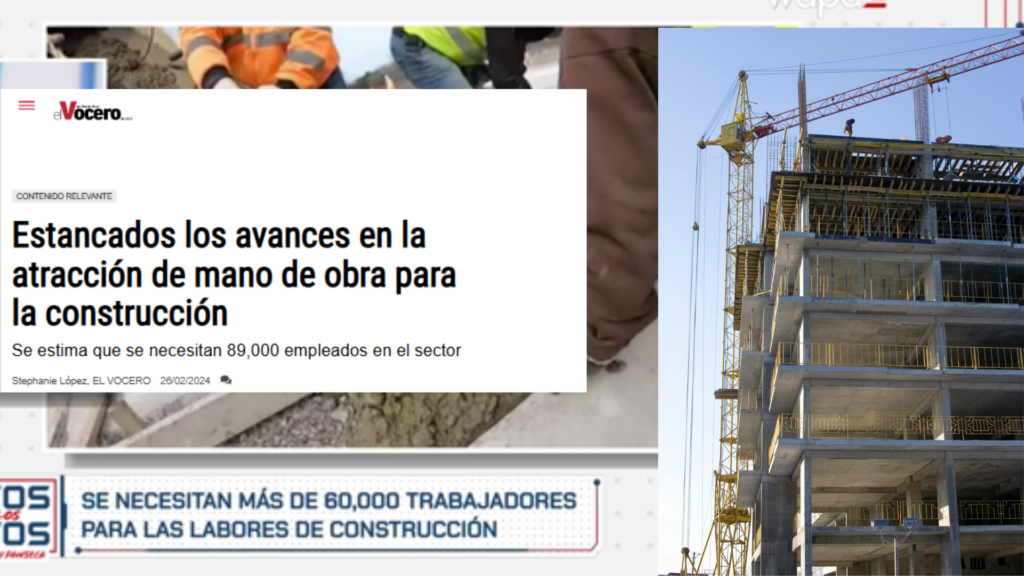
There is talk of thousands of new jobs, but Puerto Rico faces a structural labor shortage. A large-scale project in a compact environment can generate internal competition for talent within the same existing ecosystem —boutique hotels, independent restaurants, and local commerce— which introduces pressure on service quality and operational balance.
Old San Juan has two main access points, but it remains physically limited and fragile in its urban structure. When one piece absorbs disproportionately, the entire system feels the pressure. It is not only about employment; it is about sustainability.
The Lesson We Have Already Lived
Shopping centers and mega stores were presented in their time as modernization and economic injection. Over time, they concentrated consumption, displaced small businesses, and contributed to the progressive loss of vitality in many urban centers. Mega pharmacies replaced the neighborhood pharmacy, and many of those structures are now closed, but the urban depreciation remained.
Development that ignores coherence can generate immediate growth and long-term structural erosion. That is a lesson we already know and should not repeat.
The Best Use of Space
The best use of land is not defined solely by its immediate profitability; it requires a sociological and anthropological perspective that evaluates how to strengthen the permanence of residents, how to expand everyday life in Old San Juan, and how to generate sustained social cohesion.
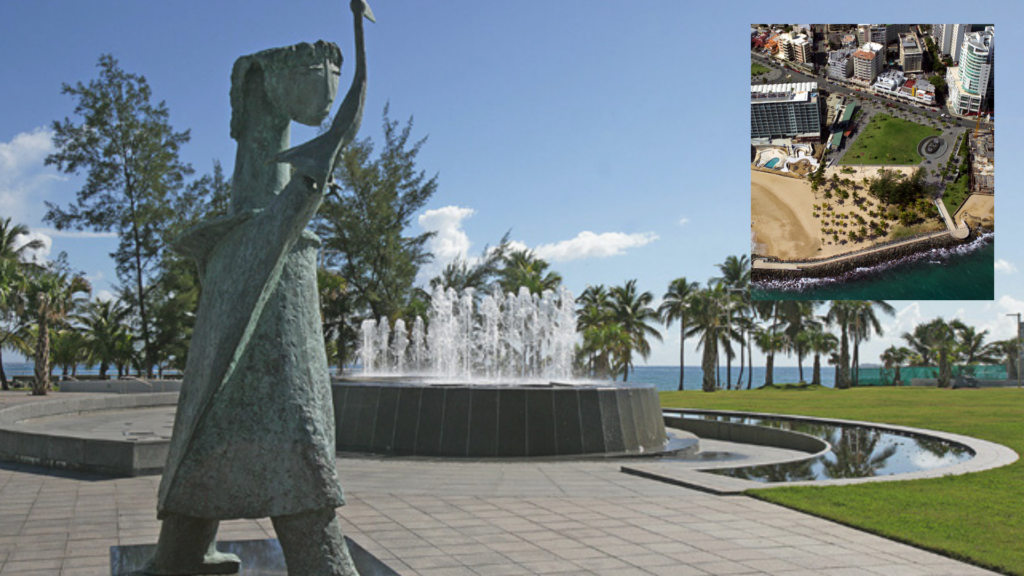
La Ventana al Mar in Condado could have become another hotel tower; instead, it became a public space that strengthens the environment and the collective experience. Puerta de Tierra could be conceived as affordable housing, recreational spaces, permanent cultural programming, and wellness areas that add to the existing system rather than compete with it. Not all land must become a hotel; some must become community.
A Generational Decision
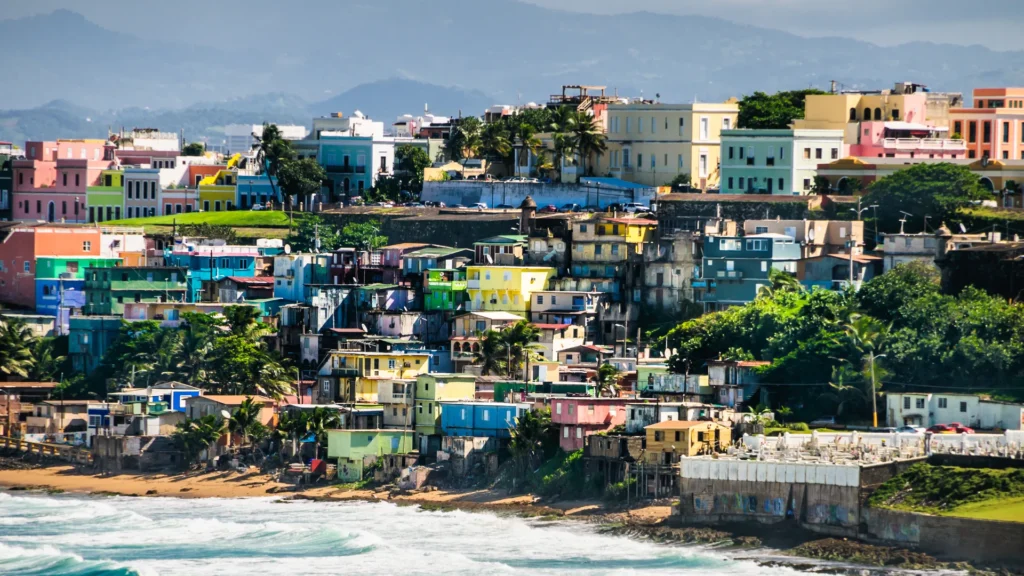
Old San Juan already shines on its own. The question is not whether we can build, but whether we understand the historical weight of the system we are intervening in. Because Puerto Rico’s most powerful capital is not financial; it is cultural. And when the foundational symbol is altered, the impact may not be immediate, but it can be profound and, eventually, irreversible.


Respuestas