

When Identity Becomes Economy: Reflections from the 2025 APUGA Awards

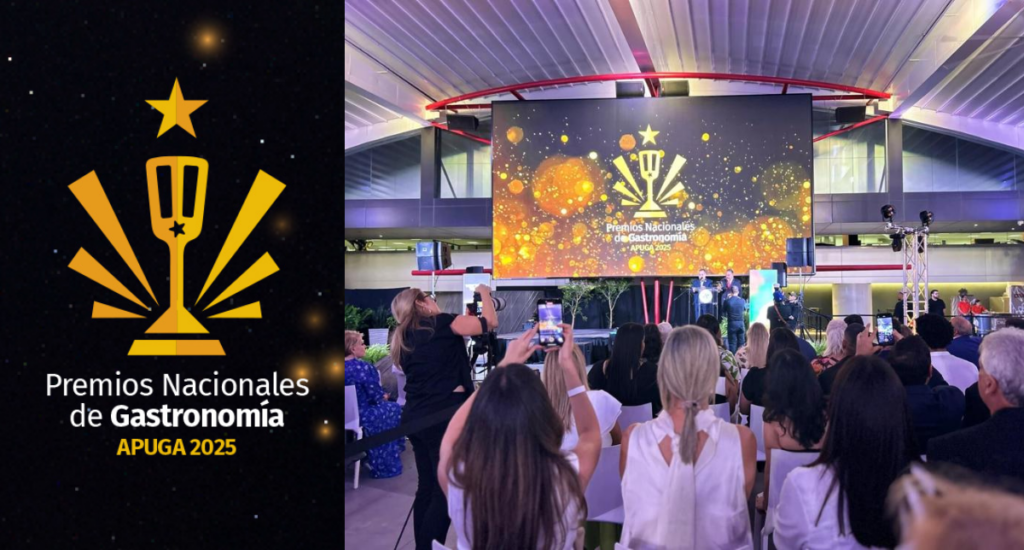
In recent days —as a guest of the Puerto Rican Academy of Gastronomy— I had the honor of participating in the APUGA 2025 National Awards, where our restaurant Canvas was nominated along with other culinary proposals that represent the best of Puerto Rico.
More than a recognition, the experience was a revelation:
Puerto Rican gastronomy is not only cuisine; it is identity, history and a powerful tool for economic development.
A tool that we already have, that does not require subsidies and that is born directly from who we are.
An experience that reaffirms who we are.
Among chefs, historians, producers, academics and lovers of our cuisine, it became evident that Puerto Rican gastronomy is not a “sector”.
- It is collective memory.
- It’s resistance.
- It is a living heritage.
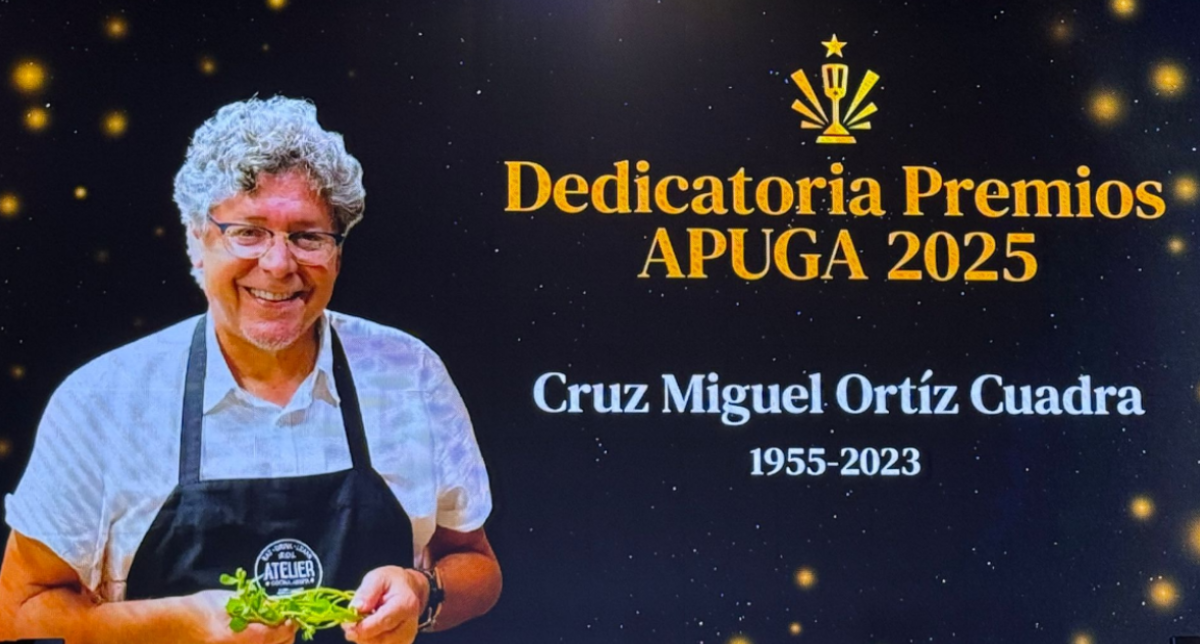
The dedication to the beloved Cruz Miguel Ortiz Cuadra —one of the great historians of our food culture— made it clear:
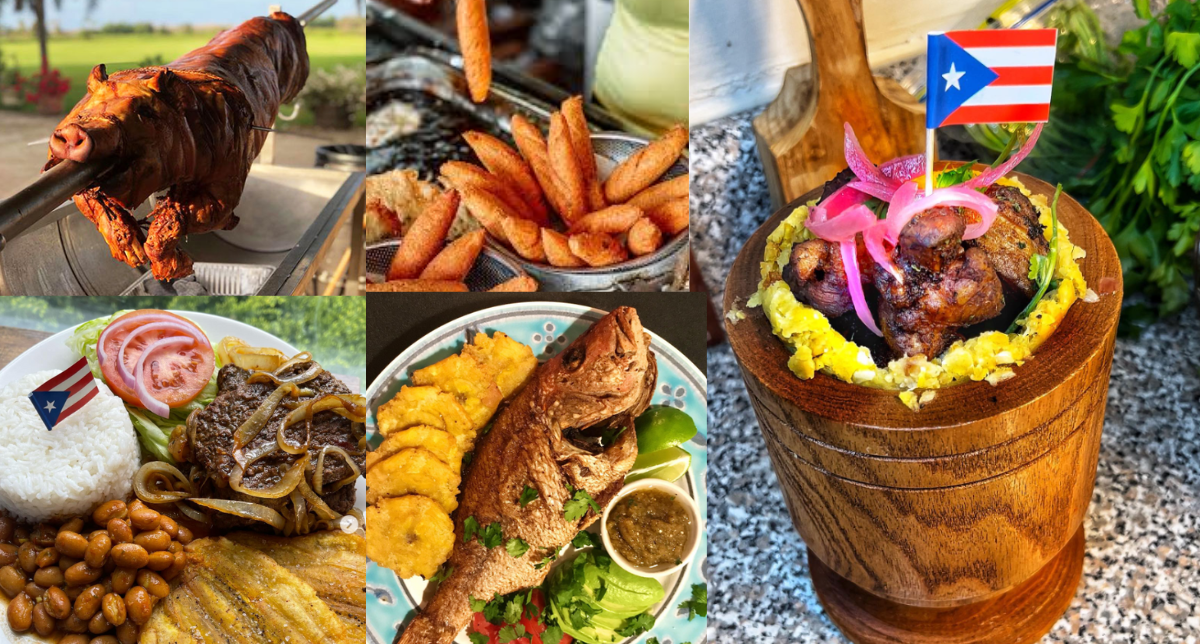
Our dishes are not recipes; they are historical documents.
In each sofrito there is genealogy.
- In each alcapurria there is African history reinterpreted.
- In each mofongo there is an entire country on the pylon.
Gastronomy: the living expression of our ethnic heritage
Ricardo Alegría taught that identity is the basis of the social continuity of a people.
That truth is felt in our kitchen.
- We are Taíno in yucaa, cassava and ají.
- We are Africans in frying and pilón.
- We are Spanish in rice, stews and technique.
- We are Caribbean in season.
- We are Americans in adaptation.
This race mix does not exist anywhere else in the world. And that uniqueness has immense economic value.
What food tourism has achieved globally
The whole world is experiencing a cultural revolution: gastronomy is an economic engine.
Spain
- 94 million tourists
- €126 billion generated by tourism
- Up to 27% of GDP linked to the expanded gastronomic ecosystem
- San Sebastian, Madrid, Barcelona and Marbella as global poles
Peru
- Gastronomy contributes between 2.5–2.9% of GDP
- Positioned as one of the best cuisines in the world
Mexico
- 30% of tourist expenditure is gastronomic
- Nearly $9 billion a year
Colombia
- Tourism represents 4.8% of GDP
- More than 5–6 million visitors a year for its culture and cuisine
In all these cases, the equation is identical: gastronomy prospers when the city prospers.
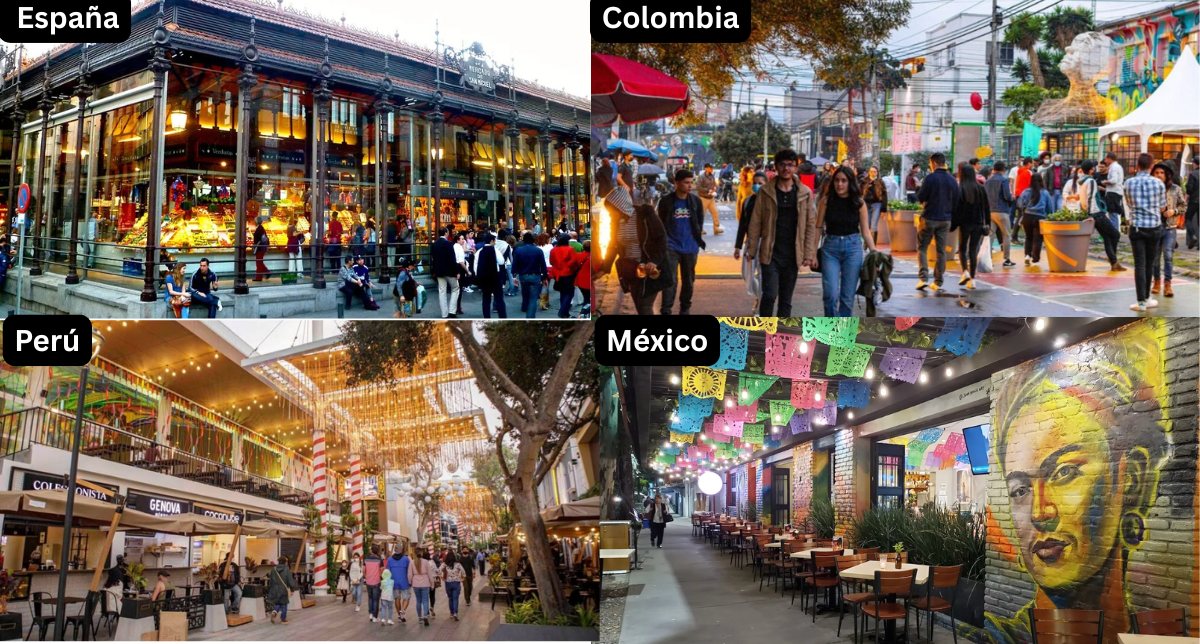
Gastronomy does NOT work in isolation
Great chefs are not enough. Excellent restaurants are not enough. Taste is not enough.
Gastronomy becomes an economic engine when it is integrated into:
- Walkable streets
- Living squares
- Art, Music and Historic Architecture
- Diverse trade
- Markets
- cultural tourism
- Human mobility
- Urban centers with life day and night
Without a city, gastronomy is static. With a city, gastronomy is development.
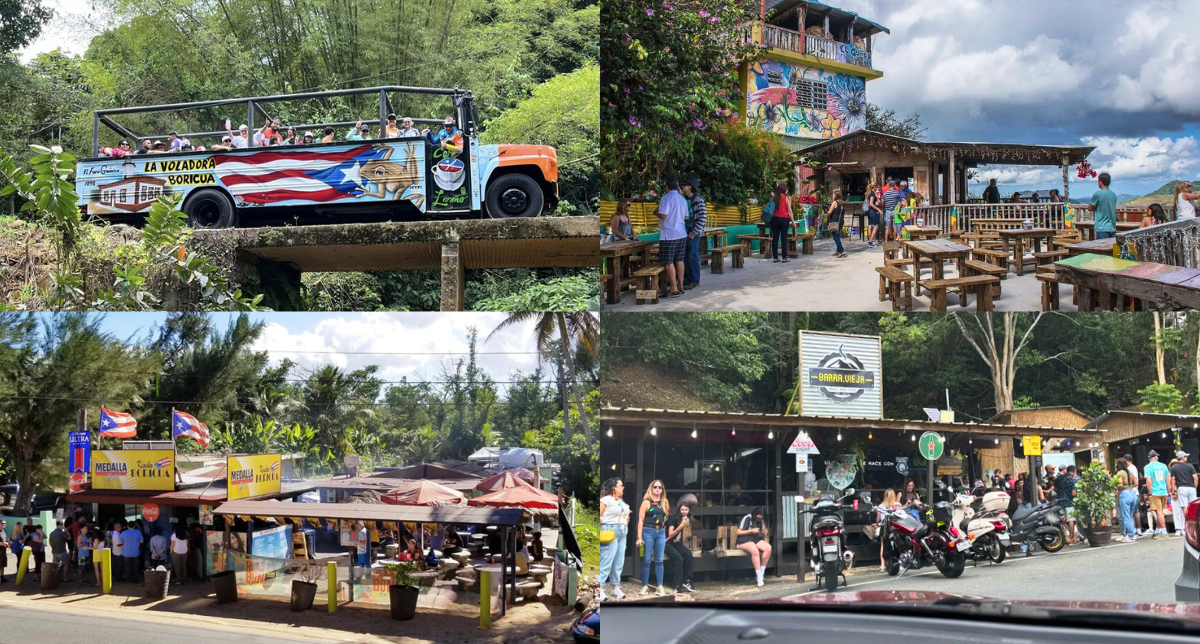
The chinchorreo: our Creole model of cultural economy
The chinchorreo is evidence of who we are:
- Activate dozens of small businesses
- Create routes
- Energizes entire villages
- Strengthens identity
- Generates mobility
- Domestic and External Tourism Moves
It’s exactly what the world calls “food tours”… but in Puerto Rico it was born organically, from our essence.
Identity as an economic model… and urban centers as its fundamental base
Ricardo Alegría understood before everyone else that the identity of a people is its greatest economic engine when it is activated correctly.
But there is something deeper:
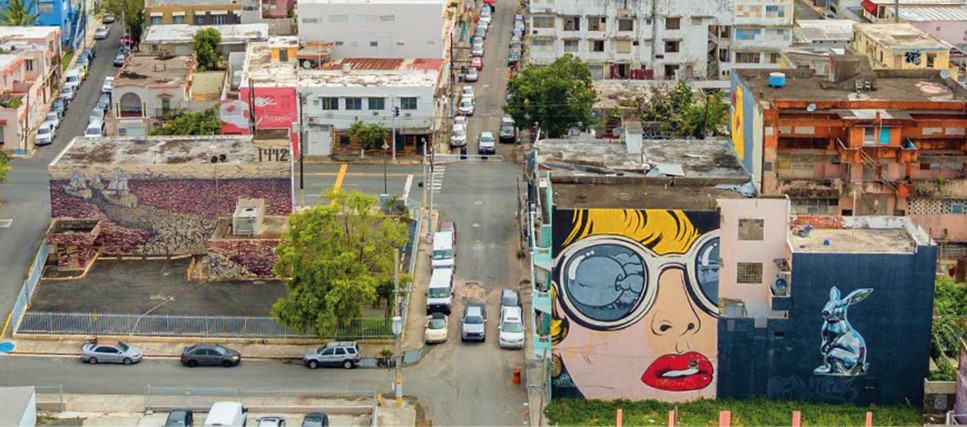
Urban centers are the tangible base—the physical, social, emotional, and economic infrastructure—where that identity is organized, expressed, and turned into wealth.
And this is not theory. It is global evidence.
According to UN-Habitat and the World Bank, cities generate more than 70%–80% of global GDP even though they represent a tiny fraction of the territory.
In many countries, a single urban area produces 40%–60% of national GDP.
Why? Because human beings are:
- Emotional
- Experiential
- Sensory
We need to walk, see, find ourselves, share, discover, feel. And that “feeling” only fully occurs in a vibrant urban center.
It is in this space that the following converge:
- Gastronomy
- Historical heritage
- Housing
- Local commerce
- universities
- Churches
- Art
- Music
- Squares
- Markets
- Collective memory
- Innovation
- Community life
When these elements are integrated into a single physical place, the most powerful and sustainable economic engine that a country can have is activated: its organized identity.
An engine that:
- Cannot be copied
- Cannot be exported
- Cannot be offshored
- It does not depend on incentives
- Does not depend on global cycles
Because it is born directly from who we are. Therefore, when identity is activated within an urban area, we are not talking about culture: we are talking about real, measurable economic development that is superior to any manufacturing, pharmaceutical or technological industry.
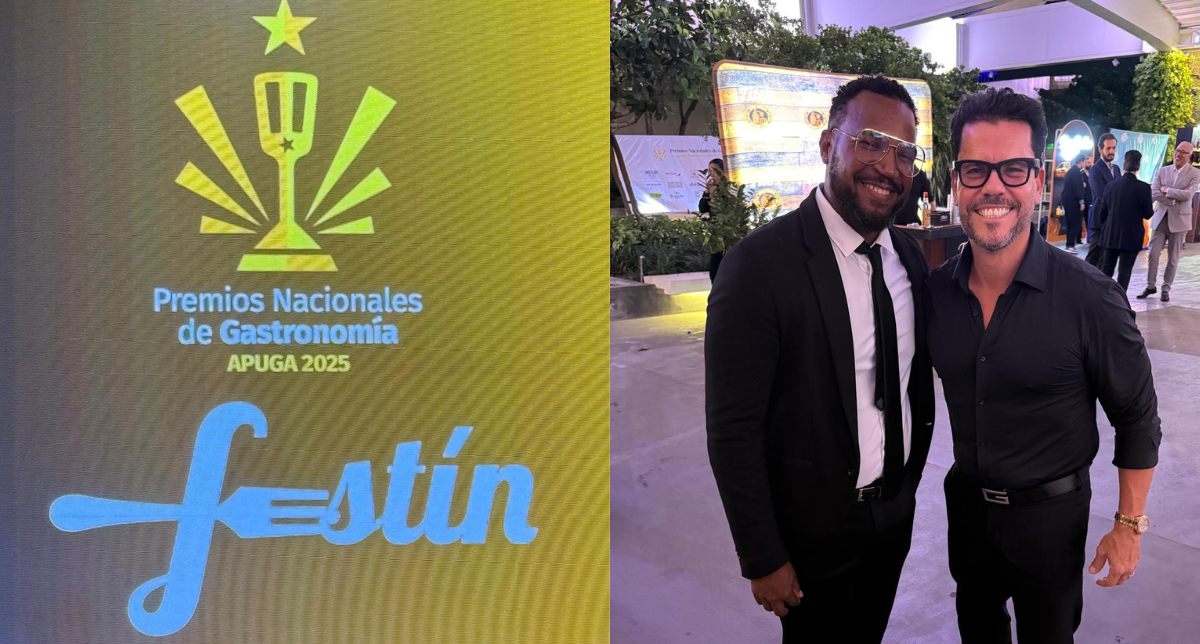
In conclusion, what I experienced at the APUGA 2025 Awards was more than a ceremony:
it was the confirmation of a truth that Puerto Rico needs to hear loud and clear.
Our gastronomy is art, science, history and memory.
But when it comes together with our urban centers, with our culture and with our creativity…
it becomes a more powerful economic force than any industry that can be moved, copied, or offshored.
Puerto Rico has something the world wants:
a delicious, deep and true identity.
The only thing left is to believe it.
And activate it.

Respuestas